Skip Navigation Links


    Skip Navigation Links
Learn More
Subscribe
LoginExpand Login
Join Now!      Login


Stevia Poll
Have you ever used Stevia as a sweetener?
 
 
Get the Flash Player to see this player.
Guided Imagery for Self-Healing
 
N aturopathic Medicine
 

6 Steps for Handling Stress

© 1995 Lauri M. Aesoph N.D.

You're fed up. The kids are bugging you, your job is demanding and the housework never ends. Tired, irritable and unable to sleep at night, you want relief. This is stress.

Stress starts when your body is confronted with more than it can handle be it physical, emotional or mental. At first, your body prepares by increasing adrenalin production. You know the signs: pounding heart, heavy breathing, sweating, tense muscles. However, when stress persists, physical preparation turns into physical deterioration. Here are some simple suggestions how you can decrease the stress in your life.

Step 1. No Caffeine
America's wake-up call, caffeine, is her downfall as well. This ubiquitous stimulant is found in coffee, black tea, chocolate, soft drinks and some medications such as cold remedies, diet formulas and wake-up pills.

It's easy to understand why caffeine ranks as the most popular drug in the world and the United States (about nine out of ten Americans consume caffeine) (American Family Physician, 1991, vol 43). Caffeine not only wakes you up, it also sharpens concentration and temporarily chases away the blues. No wonder a cloudy town like Seattle boasts coffee drinking as its number one past-time.

Unfortunately, most people use caffeine's stimulating qualities to prop themselves up during tense times. Martin Feldman, MD, a New York physician says: "In our society, the stress of day-to-day living has a tendency to 'wear out' our adrenal glands." Caffeine is an ideal way to squeeze more adrenalin and norephinephrine out of the adrenals for a boost of energy. This constant jolting is tiring for both you and your adrenals. The result is usually another cup of coffee, exhaustion and addiction (The Journal of Orthomolecular Psychiatry, volume 13, number 1).

Stress and caffeine build upon one another. You can't sleep at night because of stress; caffeine makes it worse. Stress sends you into mood swings; caffeine pushes you harder. Caffeinism, caffeine addiction, can't be turned off at will so sleepless nights and restless days take a toll on your already stressed-out body.

Besides adding to stress, caffeine causes "coffee nerves", that nervous, irritable, anxious feeling. Other complaints include insomnia, increased urination, headaches, irregular or fast heartbeat, stomach pain, breathing problems, excessive sweating, spots in front of your eyes, ringing in your ears and tingling in your fingers and toes (Substance Abuse: A Comprehensive Textbook (2nd ed) (Williams & Wilkins) by Joyce H. Lowinson, MD et al (eds)).

Dan, a longtime coffee drinker, told me: "I quit coffee and don't want to drink it again. I found coffee harder to quit than smoking cigarettes." Desire aside, withdrawing from caffeine, even moderate usage, is difficult. Symptoms include headaches, fatigue, nausea, muscle pains, changeable mood and foggy thinking.

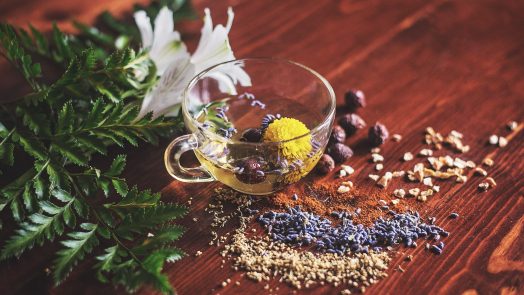
Give yourself a week to break the caffeine habit. To ease the pain of withdrawal, take extra vitamin C, drink calming teas like chamomile, peppermint and valerian and avoid other addictive substances like refined sugar and alcohol.

Step 2. Rest and Relaxation
Because of stress-and as a way to deal with a busy, stressful schedule-many people skimp on sleep. This is a big mistake. Less sleep not only deprives your body of necessary down time, but it can exacerbate stress and compound other health problems.

When you're doing laundry late at night because you're working all day or even getting early to attend exercise class even though you're exhausted, here's what happens. Tired people tend to be less civil and more irritable. Productivity and mental clarity diminish (so you drink more coffee). Sleepy children tend to get poor grades in school. Traffic accidents are more likely. Exhausted individuals are more apt to use alcohol and other drugs to compensate for fatigue. The un-rested tend to get sick more often.

How can you tell if you're sleep deprived? Here's a couple of hints: Can you nap anytime, anywhere? Do you fall asleep as soon as your head hits the pillow? Do you need an alarm clock to wake up in the morning? If you answered yes to one or more of these questions, you're not getting enough sleep at night.

So what can you do? First make sleep a priority. Most people need at least eight hours a day. Also, develop a bedtime routine by getting ready an hour before sleep and always retire and awake the same time each day. Avoid alcohol, caffeine and heavy exercise several hours before bed.

Naps aren't just for babies. The afternoon siesta is an honored tradition around the world. If you hit a slump during the day (most of us feel a little sleepy after lunch), catch a few winks. Patricia, a dedicated nap-taker, says she sleeps for exactly 12 minutes every day after lunch--no less, no more. She merely lies down and tells herself to wake up at the right time. Anymore, she claims, makes her groggy.

If you can't manage a nap, then relax. Bodies need both physical and mental breaks throughout the day. Instead of pushing through your fatigue, give your body what it needs, a rest. Don't work through your coffee break. Don't run errands while eating in your car during lunch. And if the housework needs doing, put your family to work so you can rest in the evening.

Step 3. Exercise
One the other end of the spectrum is exercise. Like sleep, it's vital for good, low-stress health. Besides controlling weight, regular physical activity lowers your risk for heart disease, hypertension, colon cancer and stroke. Exercise increases longevity and helps diabetics manage their condition better (Journal of the American Medical Association, 1989, vol 262). These facts alone should decrease stress.

Unfortunately, only one-tenth of Americans are exercising as much as they should. This wouldn't be so bad except everyday tasks have become less taxing. This means occupational activity, the type of exercise you get from just doing your job or working around the house, contribute very little to physical fitness. Instead you have to squeeze "recreational" exercise into your already tight, stressful itinerary.

Before you get stressed out, let's look at why exercise should be part of your daily routine. First, it makes you feel better. Once you've been exercising for two months (make that a goal), you'll be hooked. Two, you'll look better. You'll smile easier, walk straighter, shed a few pounds and emanate a healthy glow. Lastly, stress will be much easier to handle-that project that usually takes two hours, may only require one and a half. There's your 30 minutes for physical activity. Not only does exercise remind tense muscles to relax, but you begin to breathe and forget about your worries, at least for awhile.

Step 4. Alcohol
Many people use alcohol to relax. But this approach to stress reduction has far reaching effects. Short-term, drinking can cause hangovers, increased urination and thirst, and like caffeine, insomnia.

Habitual alcohol use can lead to abuse and serious health problems like cirrhosis of the liver, brain damage, gastritis, pancreatitis, peripheral neuropathy and lowered resistance to disease. While it's true that moderate drinkers have a lower incidence of coronary heart disease, this doesn't eliminate other health risks. Chronic drinking can, however, cause other heart problems like alcoholic cardiomyopathy.

Malnutrition is a risk when alcohol is your soother. Because alcohol is a high calorie drink, you eat less. Long-term or heavy drinking may cause inflammation of the intestine, stomach or pancreas thus disrupting digestion and nutrient absorption. When the liver is affected, so is vitamin activation (Scientific American, 1976, March). Stress hikes your nutritional needs; alcohol reduces nutrient availability.

Step 5. Stressful Eating
Food isn't something you probably associate with stress. But what and how you eat has a direct impact on how you feel (and stress often affects the foods you choose).

Irritability, sleeping troubles, indigestion, fatigue--all these symptoms can be due to stress. Diet is also a factor. So if you adjust your eating habits, chances are you'll feel better and be set to make other stress-reducing changes.

Your body likes routine. Like sleep, plan meals and snacks at regular times throughout the day. It would great if we could all just eat when we're hungry, the healthiest way to go. But busy lives don't allow this. Instead, we tend to put off eating when chores or stress intervene, or we eat out of frustration or fatigue.

A regular meal schedule allows you to relax before eating which aids digestion. Carry this leisurely attitude to the dinner table. Enjoy your meal, each taste and the texture of your food and the people you're dining with. Notice when you're full and stop eating. Eating too fast or too much is stressful too.

Busy times require planning. Besides setting up regular mealtimes, map out a week's worth of breakfasts, lunches and dinners. Include lots of fruits and vegetables (a minimum of five servings of both each day), lean toward whole grains like brown rice and whole wheat bread and pastas, and keep your protein at a good level with lean meats, skinless poultry, fish, beans and legumes, and even dairy.

Avoid sweet, fatty snacks during breaktime or late at night. Even though they taste good and seem to ease stress, too much sugar and fat do more harm than good. Although recent studies show that carbohydrates (of which sugar is one) calm most people down, long-term too many sweets add to your stress, not decrease it.

Hypoglycemia, or low blood sugar, can mimic stress with irritability, shaking, and apprehension. For this reason refined sugar should also be avoided by anyone prone to anxiety or under a great deal of pressure.

Too much sugar or saturated fat increases your susceptibility to illness. Excess fat can lead to constipation, increase your risk of heart disease, certain cancers, not to mention add weight; on the other hand, make sure you're getting enough of those essential fats found in nuts, seeds, fish and healthful oils like olive and canola. Salty foods deplete potassium, a mineral necessary for proper nerve functioning, so should be eaten sparingly.

The more your body has to handle, the more it relies on what you feed it. Stress ups nutritional needs. So poor food choices not only fail to meet your daily requirements, but can compound the problem. Elect, instead, to nourish your body with wholesome food, loving people, exercise, rest and plenty of TLC.

Step 6. A Stress-free Attitude
Much of stress management is based on how you think and act in certain situations. Here are a few suggestions to help carry you through the day.

  • Vary your routine. Have you ever wondered why you get tired after sitting all day? Your body needs a mixture of mental and physical tasks. When thinking exhausts you, take a break and doing something physical.
  • Attitude. How do you look at adversity? Do you make a mountain out of a mole hill? Or do you put things in perspective? Don't take everything personally and ask yourself: "Will this really matter in 20 years?"
  • Laugh more. Enough said...Ha, ha, ha!!!
  • Just say no. Turning down a request is nearly impossible for some. But you have to do it occasionally or you'll be constantly on the run. Start to practice saying no today. It'll get easier with time, I promise.
  • Do one thing at a time, and do it well.
  • Take care of problems and tasks immediately. If you need to make an unpleasant phone call, do it now. Waiting will just add to your stress quotient. When the mail arrives, sift through it right now, tossing (or recycling) garbage, filing or paying bills.
  • Talk out problems with friends or family.
  • Simplify. All the date planners in the world aren't going to erase stress if you're doing too much.
 
Share   Facebook   Buzz   Delicious   Digg   Twitter  


From Our Sponsor


Women's Nutrition Detective
Good Carbs, Bad Carbs – Which Do You Eat?
If you're on a strict high-protein, very low-carbohydrate diet, you may be throwing the baby out with the bath water. Starches and sugars are your body's main source of energy. You need them to fuel your...  more
 
There's a Yogi in the Kitchen!
The Yogi’s Secret Ingredient
Regardless of what ingredients are used, if the cook's consciousness is not prayerful, loving, or joyful ... that food will not be a healing food. Period. It is important to have a state of mind that is...  more
 
Featured Events
Integrative Healthcare Symposium 2010
     February 25-27, 2010
     New York, NY USA
 
Natural Products Expo West
     March 11-14, 2010
     Anaheim, CA USA
 
20th Annual Art and Science of Health Promotion Conference
     March 15-19, 2010
     Hilton Head Island, SC USA
 
Additional Calendar Links
 
Vegan Global Fusion
Spring Quinoa Salad
Quinoa is the high quality, complete protein grain of the Incas, sometimes known as the "mother grain or seed" in the Andes where it has been a staple for over 5000 years. It was so central to Incan...  more


Search   
Home       Wellness       Health A-Z       Alternative Therapies       Find a Practitioner       Healthy Products       Bookstore       Wellness Inventory
Healthy Kitchen       Healthy Woman       Healthy Man       Healthy Child       Healthy Aging       Wellness Center       Nutrition Center       Fitness Center
Free Newsletter       What Doctor's Don't Tell You       Stevia.com       Discount Lab Tests       First Aid      Global Health Calendar      Contact Us

Disclaimer: The information provided on HealthWorld Online is for educational purposes only and IS NOT intended as a substitute for professional medical advice, diagnosis, or treatment. Always seek professional medical advice from your physician or other qualified healthcare provider with any questions you may have regarding a medical condition.